Why Your Miami Electric Bill Spikes: AC Efficiency Explained
Published: 2026-06-20 · By HVAC Contractor Near Me by HCNM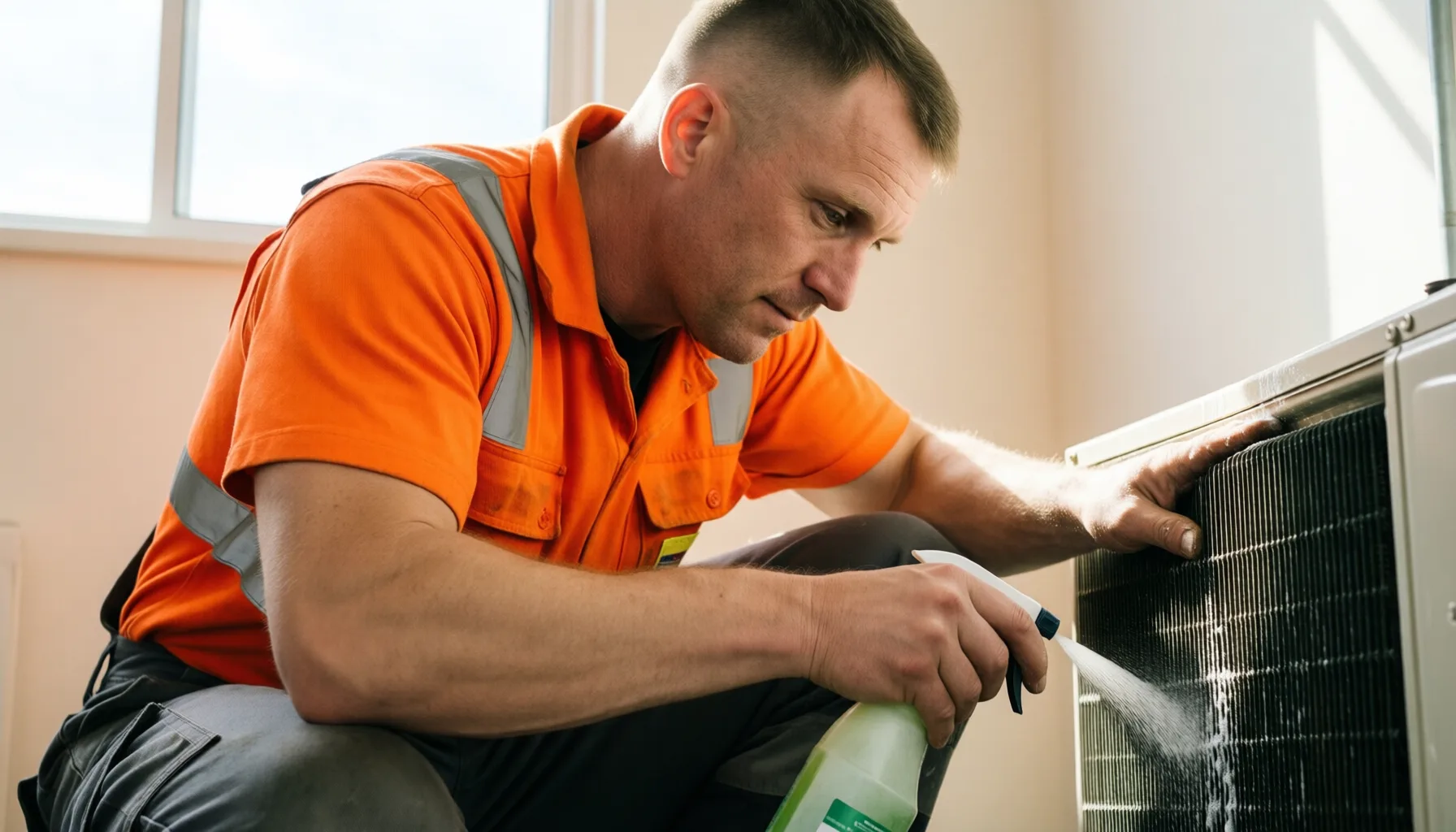
As the sweltering Miami sun beats down, your air conditioning unit works overtime to keep your home cool and comfortable. But when that monthly electric bill arrives, you might be shocked to see a spike that seems disproportionate to your usual usage. This scenario is all too familiar for Miami homeowners, where the combination of high humidity, corrosive salt air, and the ongoing demand for cooling can turn a modest utility bill into a staggering expense.
Why This Matters for Miami Homeowners
The subtropical climate of Miami presents unique challenges for air conditioning systems. With humidity levels often reaching 80% or more, your AC unit has to work harder to remove moisture from the air while also cooling your home. This increased effort can lead to elevated energy consumption and, subsequently, higher electric bills.
Moreover, the corrosive nature of the salt air deters longevity and efficiency of HVAC systems, requiring more frequent repairs and replacements. Homeowners may not realize that neglecting these environmental factors can lead to decreased performance and increased operational costs.
Additionally, old or poorly insulated homes fall victim to heat loss, driving energy bills even higher as your AC unit struggles to maintain a comfortable indoor temperature. Awareness of these issues is crucial for Miami residents looking to keep their energy bills in check.
Expert Solutions & Actionable Tips
1. Regular Maintenance Checks
Scheduling regular maintenance checks is vital for achieving optimal AC efficiency. In Miami, having your unit serviced twice a year—before the hot season and again during the lull—can significantly reduce energy expenses. Expect to pay between $70 and $120 per visit, but these checks can prevent more costly repairs down the line.
Additionally, cleaning or replacing filters regularly can enhance air quality and efficiency. Ensure these tasks are performed every 1-3 months for the best results.
2. Energy-Efficient Units
If your air conditioning system is more than a decade old, consider upgrading to an energy-efficient model. Modern units can reduce energy use by 20-50%. While installation can range from $3,000 to $8,000, the long-term savings on your electric bill will often outweigh the upfront costs.
Opt for units that are ENERGY STAR certified for the most effective energy savings.
3. Insulation Upgrades
Insulating your property can make a substantial difference in how hard your AC has to work. Check for gaps in windows, doors, and your attic. Investing in high-quality insulation can range from $1,500 to $3,000, but enhanced insulation ensures that cool air stays inside and reduces energy costs.
Also, consider installing window films or shades to limit heat from direct sunlight during the peak hours.
4. Smart Thermostats
Installing a smart thermostat can help optimize your cooling system by adjusting the temperature based on your activity levels. They typically range from $100 to $300, but the ability to control your home's temperature from a smartphone ensures the AC isn’t running more than necessary.
Many smart thermostats can learn your habits, providing further efficiency by lowering the temperature when you’re away.
5. Moisture Control Solutions
Investing in moisture control solutions can significantly enhance the performance of your HVAC system. Dehumidifiers may be necessary for particularly humid months. Homeowners should expect to spend between $200 and $500 on a quality unit, which can greatly reduce strain on your air conditioning system.
Proper drainage systems around your home can also help divert excess moisture away from your AC units and foundation.
6. Shade and Landscaping
Consider strategic landscaping that creates shade for your outdoor AC unit. Planting trees or tall shrubs to block direct sunlight can reduce the temperature of your outside unit, promoting efficient operation. Although initial landscaping costs can vary, they often provide long-term savings on energy bills.
Just ensure to maintain the distance to prevent foliage from blocking airflow.
Miami Climate & Local Context
Miami's climate is characterized by its tropical storms, high humidity, and salt-laden air, which poses unique challenges for air conditioning systems. Elevated homes across the region often incorporate moisture barriers to combat the persistent humidity common in the area. These safeguards help protect against mold growth and the degradation of materials.
Local building codes mandate certain standards for HVAC installations, ensuring compliance with safety and efficiency measures. Homeowners are encouraged to familiarize themselves with these regulations to make informed decisions concerning air conditioning upgrades or repairs.
Furthermore, considering the potential impact of hurricanes, it’s wise to invest in systems or protective measures that can withstand severe weather, ensuring your unit operates efficiently even during the stormiest seasons.
When to Call a Professional
Deciding when to call a professional versus handling HVAC issues on your own can save you time and money in the long run. If you notice an unusual increase in your electric bill without a corresponding increase in temperature, it may be time to consult an HVAC expert.
- Strange noises coming from the unit
- Inconsistent airflow or temperature
- Foul odors emanating from the AC
- Frequent cycling of the system
- Water pooling around the unit
- Age of the system exceeding typical lifespan
Attempt to address minor issues, such as changing filters, but beware of early signs of failure that require professional intervention. Ignoring these can lead to more severe problems down the road, making timely professional help vital.
Frequently Asked Questions
Why does my AC run constantly in high humidity?
AC units in Miami often run continuously to offset the high humidity levels, as they not only cool but also dehumidify indoor air.
Can poor insulation affect my energy bill?
Absolutely, particularly in humid Miami where insulation can help retain cool air, thus reducing the workload on your AC.
Should I cover my AC unit during the rainy season?
While it's advisable to prevent debris from obstructing the unit, covering it may trap moisture. Instead, focus on drainage and maintenance.
How often should I replace my AC filters?
In Miami's humidity, AC filters should be checked and replaced every 1-3 months to ensure optimal airflow and efficiency.
What should I do during a hurricane regarding my AC unit?
Ensure it’s turned off before the storm begins. Securing or covering it from flying debris is essential for its protection.
Get Expert Air Conditioning Repair Service in Miami
If you're experiencing unusually high electric bills or need assistance with your AC system, don’t hesitate to reach out. Call (645) 238-2059 and let the experts at HVAC Contractor Near Me by HCNM provide you with the solutions you need to enhance your home’s cooling efficiency!
Don't let high energy bills bog you down—contact us today for assistance tailored specifically for Miami's unique climate.